

Becoming a Glazier
Glaziers install, replace, and repair doors, windows and other glass types in homes and buildings. This skilled profession offers job satisfaction and excellent pay.
There are many ways to become a Glazier. One option is through an apprenticeship at the construction company or a specialist fenestration firm. Certain routes may require specific qualifications.
Job Tasks
Glaziers are responsible for the installation of glass surfaces in offices, homes retail stores, and other structures. They adhere to the blueprints and other specifications cut glass to the required size, affix and secure glass into frames, install sashes and moldings and weather-proof panes using sealants. Attention to detail is crucial as they frequently work with delicate materials and tiny parts. They must also follow safety guidelines and comply with the health and environmental regulations. They are often required to lift and move large glass pieces in high positions Therefore, physical strength and stamina are necessary.
Glaziers employ a variety of tools and techniques to complete their duties, including cutting, grinding, and shaping glass. They must be able read and comprehend blueprints, specifications, and other documents to determine the size and shape of glass, and also its color and thickness. They may be required to prepare glass for installation by etching, sandblasting, or painting designs on it. They also repair and install glass products, like mirrors, shower doors or windows.
Many glaziers have to work with other construction professionals like project managers and architects, to ensure that the glass installations meet engineering and design specifications. They must be able to communicate clearly and effectively with others, both verbally and in writing.
A glazier must be organized in order to plan and manage his or her schedule. They should be able to keep on top of multiple projects simultaneously and work under pressure. They must be able work in all weather conditions and travel between jobsites.
As with most skilled trades jobs, it is important to make a glazier's job description to match their specific skills and experience. A properly written description of the job can assist in attracting more qualified candidates and decrease the time spent interviewing ineligible candidates. It can also increase the probability of being hired.
Education Requirements
Unlike most skilled trades Glaziers are not required to pursue a bachelor's level degree to become proficient at their work. However, they are required to complete a 3 or 4 year apprenticeship and receive on-the-job training. Some organizations sponsor these programs, like unions and contractors' associations. They typically prefer applicants who are familiar with the tools and equipment used in construction and have previous experience working on glass projects, and who can do a variety of jobs. A background in precision metalworking and drafting may also be helpful for becoming an skilled artisan.
During their apprenticeships, glaziers complete on average the equivalent of 144 hours of training in technical aspects and 2,000 hours of paid work-based learning every year. These programs teach them how to install, replace and repair doors and dividers as well as windows. They are taught about the various types of glass, how to handle and cut them, estimating procedures, mathematics, blueprint reading techniques for construction and safety guidelines.
Glaziers must have excellent interpersonal skills and be able to tackle problems. They must be able to communicate technical information to customers as well as other contractors and construction workers in a layman's language. They must be able to anticipate issues and identify solutions before they arise. It is also possible that glaziers will be required to travel from one site to another to complete their job.
Glaziers are employed by a variety of companies which include glass manufacturing companies, full-service glazing and construction companies as well as large construction companies. They may also be employed by homeowners or small-scale businesses. Glazier and Glazing halifax repairmywindowsanddoors can be self-employed in some cases and set their own schedules.
Glaziers who have gained experience can take on supervisory roles or even begin their own business. Continuing professional development is recommended to keep up-to-date with the latest developments and trends in the field. Based on the industry you work in you may have to learn about new glass products or energy-efficient glazing systems. Participating in local or national professional trade associations is another effective way to keep up to date with the latest developments.
Experience Requirements
Glaziers work in a wide range of settings, including houses, hotels shops, commercial buildings and even restaurants. They repair, replace and install glass in these buildings. They also work with laminates and plastics to make glass stronger and safer. Glaziers also typically work on projects that require complicated structural and architectural design.
The requirements for becoming a glazier are an education degree from a high school and a willingness to learn the trade via an apprenticeship. This three-year course will provide you with on-the-job experience and classroom-based instruction. During this time, you will become proficient in various glazing techniques and practices. You will also learn how to read blueprints and utilize special equipment and tools.
After completing your apprenticeship, you are considered an apprentice and can begin working on your own. Check with your local government for more information. Some states require glazier contractors to have a license. Additionally, you'll require physical fitness for the job, since it involves lifting heavy panes of glass and working at high levels on scaffolding and ladders. Glaziers are often exposed to a range of health and safety hazards like cuts from sharp glass edges or cutting tools and eye injuries caused by flying debris that comes from grinding, drilling and polishing the glass.
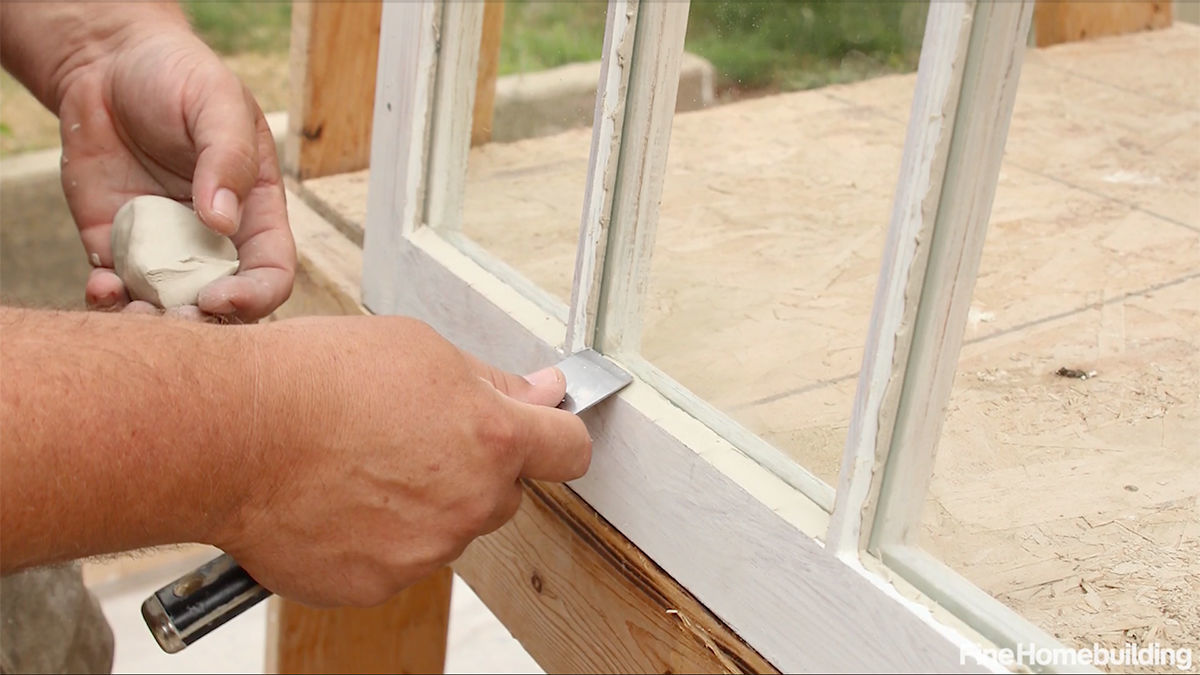
Glaziers are a tough job, but they also get paid for it. It is a demanding job that requires patience, attention to detail and good interpersonal skills. Glaziers are often working with engineers, architects and other construction tradespeople on large-scale projects, so it is crucial that they are able to effectively communicate and work as the team. They should be able to listen to and follow the instructions of their supervisors and employees. Finaly, glaziers need to be able to travel and work in tough conditions. Based on the area, this could include working in extreme weather conditions or in areas that have limited access. This is why it is crucial to be prepared to face the challenges of this career path prior to making a decision to follow it.
Salary
Glaziers cut, select and install different types of glass to be used in windows, doors and mirrors, as as other structures. By creating custom designs that match the vision and style of each project, they ensure that structures are functional, aesthetically pleasing and energy efficient. They also provide ongoing maintenance and service to glass installations, assuring that they are operating correctly and meet the requirements of building occupants or clients.
There are many opportunities available to those who want to pursue a career in Glaziers without a college education. Most glaziers get their education through apprenticeship programs. These programs provide paid training that allows people to earn money while they learn. This is in contrast to other trade careers that require costly post-secondary education.
Furthermore, the pay for glaziers is competitive compared to other construction jobs. In 2022, the median wage of a glazier would be $48,720. The best-paid glaziers made $62,360 or more that year, and the lowest-paid earned $43,220. Glaziers are usually paid per hour. However they can be paid either weekly or monthly.
Glaziers work in various sectors, including manufacturing, construction, and utilities. They are primarily hired to perform work on buildings which include commercial and residential structures. They are a crucial element of the construction industry, and their services are highly sought-after due to the increasing emphasis on "greener", energy-efficient construction methods.
Glaziers need to be physically fit as well as having the technical skills. This is because the position frequently requires them to work on tall structures, such as display cases and skylights, sometimes several stories in the air. This means they must be able move and lift heavy objects. Those who are particularly skilled could be promoted to foremen or journeymen and can expect to earn even more. Foremen may also manage other glaziers, which will further increase their earnings potential. If you are interested in becoming an artisan, you should look into the available training and apprenticeship programs as well as the wages of professionals working in similar fields.